
This is one of my favorite books.
I highly recommend it.
The Iliad by Homer
Project 'Read a Book'
The, Iliad, by, Homer, Read, Book, List
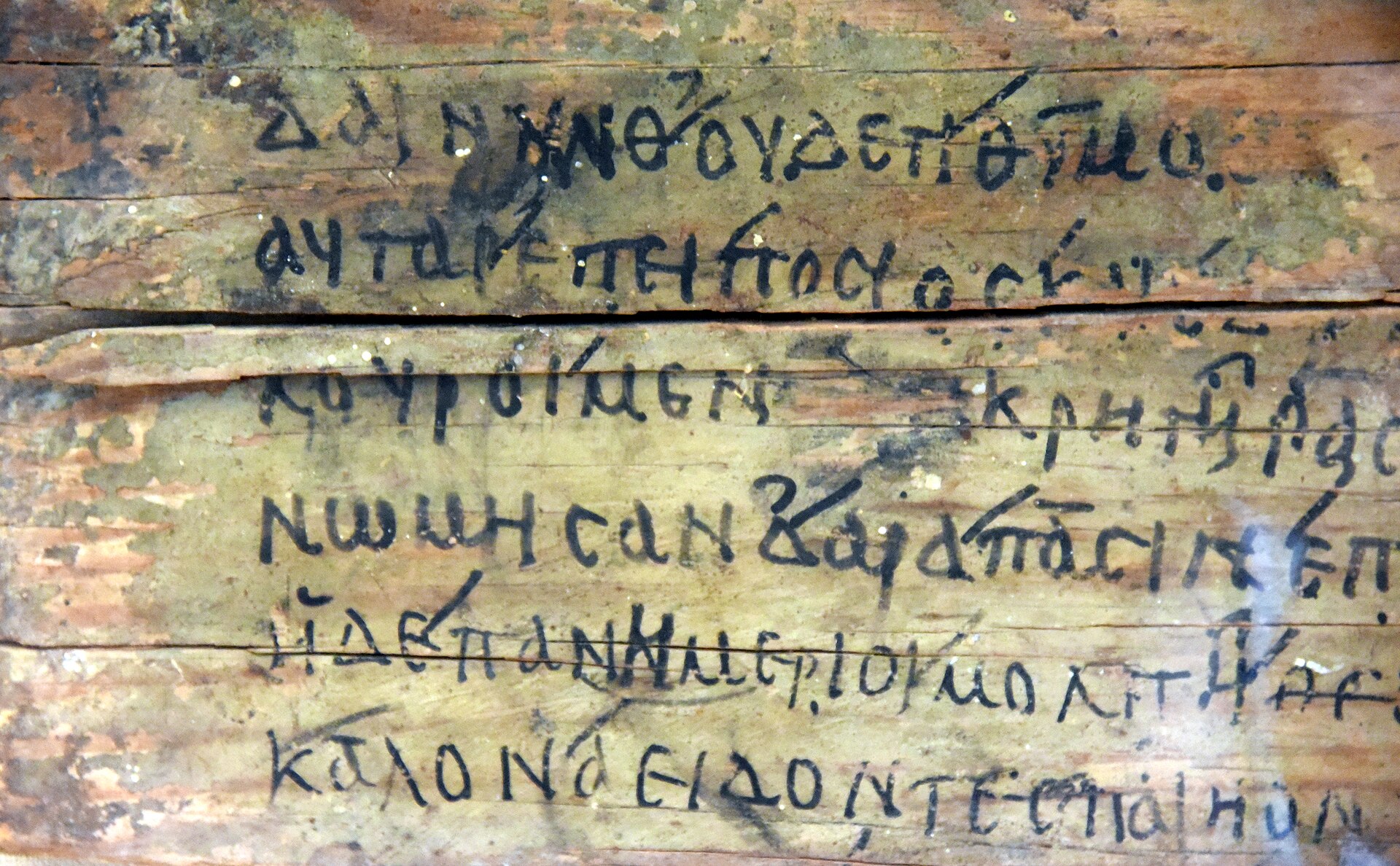
The Iliad by Homer
The Iliad by Homer
Summary of The Iliad
The Iliad: https://en.wikipedia.org/wiki/Iliad

Homer's The Iliad is an epic poem that recounts a crucial period during the tenth and final year of the Trojan War, a conflict between the city of Troy and a confederation of Greek (Achaean) cities.
The poem doesn't tell the entire story of the war from beginning to end, but rather focuses on the rage of Achilles and its devastating consequences.
The Quarrel and Achilles' Withdrawal (Book 1-2)
The story opens nine years into the war. The Achaeans have sacked a town allied with Troy, capturing two maidens: Chryseis and Briseis.
Agamemnon, the commander of the Achaean forces, takes Chryseis as his prize. However, Chryseis's father, Chryses, a priest of Apollo, offers a large ransom for her return. Agamemnon refuses, insolently dismissing the priest.
Chryses prays to Apollo, who, in anger, sends a plague upon the Achaean camp. Many soldiers die.
After ten days, Achilles, the greatest Achaean warrior, calls an assembly to determine the cause of the plague. The prophet Calchas reveals that Apollo is punishing them because of Agamemnon's disrespect towards Chryses.
Agamemnon, enraged by this public denouncement, reluctantly agrees to return Chryseis but demands Briseis, Achilles' prize, as compensation.
Achilles, feeling deeply dishonored and insulted, fiercely argues with Agamemnon. Despite the wise Nestor's attempts to mediate, Achilles withdraws himself and his elite Myrmidon warriors from the battle, vowing not to fight until Agamemnon acknowledges his error and restores his honor.
Achilles' mother, Thetis (a sea nymph), persuades Zeus to turn the tide of the war against the Achaeans, so they will realize their desperate need for Achilles. Zeus, who owes Thetis a favor, agrees, despite Hera's (who favors the Achaeans) displeasure.
Zeus sends a deceptive dream to Agamemnon, urging him to attack Troy, promising victory. Agamemnon believes the dream and prepares for battle. He attempts to test his army's morale by suggesting they abandon the war, but this backfires, and only Odysseus's quick thinking prevents a complete rout.
Early Battles and Trojan Advances (Book 3-15)
The armies prepare for battle. Paris, the Trojan prince who abducted Helen (sparking the war), challenges Menelaus, Helen's original husband, to a single duel to decide the war. Menelaus defeats Paris, but Aphrodite intervenes and whisks Paris away before Menelaus can kill him.
Despite the duel's outcome, the gods intervene, with Athena prompting the Trojan archer Pandarus to shoot Menelaus, breaking the truce. Full-scale fighting erupts.
Many heroes distinguish themselves in battle, including the Achaean Diomedes, who, aided by Athena, wounds several gods (Aphrodite and Ares).
Hector, the greatest Trojan warrior and son of King Priam, leads the Trojan forces with valor, even making a poignant farewell to his wife Andromache and son Astyanax.
With Achilles out of the fight and Zeus supporting the Trojans, the Achaeans suffer heavy losses. They are pushed back, forced to defend the ramparts they built to protect their ships.
Agamemnon, now desperate, sends an embassy (Odysseus, Ajax, and Phoenix) to Achilles, offering him lavish gifts and the return of Briseis if he rejoins the fight. Achilles, however, remains unyielding, still deeply hurt by Agamemnon's insult.
Patroclus's Stand and Death (Book 16-18)
As the Trojans continue to gain ground and threaten to burn the Achaean ships, Achilles' close companion, Patroclus, pleads with Achilles to let him lead the Myrmidons into battle, wearing Achilles' armor, to inspire the Achaeans and repel the Trojans.
Achilles reluctantly agrees but warns Patroclus not to pursue the Trojans too far.
Patroclus enters the fray, and his appearance, wearing Achilles' armor, rallies the Achaeans. He pushes the Trojans back from the ships and even beyond the wall.
However, Patroclus, consumed by the battle, disregards Achilles' warning and pursues the Trojans to the city walls. Apollo strikes his armor from him, and he is wounded by Euphorbus, then finally slain by Hector.
A fierce battle erupts over Patroclus's body, with Menelaus and Ajax fighting valiantly to recover it, while Hector strips Achilles' armor from Patroclus. The Achaeans eventually recover the body.
Achilles' Rage and Return to Battle (Book 18-22)
When Achilles learns of Patroclus's death, he is consumed by overwhelming grief and furious rage. He vows revenge on Hector.
Thetis, seeing her son's sorrow, goes to the gods and persuades Hephaestus, the divine smith, to forge new, magnificent armor for Achilles, including a spectacularly decorated shield depicting the cosmos and scenes of human life.
Achilles, now reconciled with Agamemnon (who returns Briseis along with other gifts), dons his new armor and re-enters the battle. His presence alone strikes terror into the Trojans.
Achilles unleashes his fury, slaughtering Trojans indiscriminately. He even fights the river god Scamander (also known as Xanthus), who is angered by the sheer number of Trojan corpses choking his waters.
The Trojans flee back within the city walls, except for Hector, who, filled with a sense of shame for his earlier bad advice and determined to face Achilles, remains outside.
Achilles chases Hector around the walls of Troy three times. Finally, Athena tricks Hector into stopping and facing Achilles. In a climactic duel, Achilles, with divine aid, kills Hector.
In his immense grief and lingering rage, Achilles dishonors Hector's body by tying it to his chariot and dragging it around Patroclus's funeral pyre for several days.
The Ransom of Hector's Body and the End of the Poem (Book 23-24)
The Achaeans hold elaborate funeral games in honor of Patroclus.
The gods are distressed by Achilles' continued mistreatment of Hector's body and send Hermes to guide King Priam, Hector's aging father, into the Achaean camp.
Priam, bearing a rich ransom, tearfully pleads with Achilles for the return of his son's body, appealing to Achilles' own love for his father, Peleus.
Achilles, moved by Priam's plea and remembering his own father, finally relents. He returns Hector's body to Priam, and the two men share a moment of shared grief and humanity.
The Iliad concludes with the Trojans holding a solemn funeral and burial for Hector, their greatest hero, marking a temporary truce in the war.
The Iliad ends before the fall of Troy itself, the Trojan Horse, or the death of Achilles.
It focuses on the psychological impact of war, the nature of heroism, the role of fate and the gods, and the destructive power of wrath.
The Iliad features a vast cast of characters, both mortal and immortal, whose actions and interactions drive the narrative.
\
Favorite Characters
Achilles
The central protagonist, greatest of the Achaean warriors, son of the mortal Peleus and the sea-nymph Thetis. His rage, provoked by Agamemnon's insult, is the driving force of the poem. He is immensely powerful, almost invincible, but also proud, hot-headed, and prone to fits of fury and grief. He fights with the elite Myrmidon contingent.
Agamemnon
King of Mycenae and commander-in-chief of the Achaean forces. He is powerful and wealthy but often arrogant, pig-headed, and struggles with leadership. His quarrel with Achilles sets the entire plot in motion.
Patroclus
Achilles' beloved companion and closest friend. He is compassionate and loyal, and his death at the hands of Hector galvanizes Achilles to rejoin the battle.
Odysseus
King of Ithaca, known for his cunning, eloquence, and strategic mind. He is a wise counselor and plays a crucial role in mediating disputes and planning military actions.
Ajax the Greater (son of Telamon)
A towering and immensely strong Achaean warrior, second only to Achilles in prowess. He is a formidable defender and often fights alongside his half-brother Teucer.
Menelaus
King of Sparta, husband of Helen, and brother of Agamemnon. He is a brave but somewhat less prominent warrior, and his pursuit of Helen is the direct cause of the war.
Diomedes
A young but incredibly brave and powerful Achaean warrior, favored by Athena. He performs many heroic deeds, even wounding gods (Aphrodite and Ares) in battle.
Nestor
The aged king of Pylos, renowned for his wisdom, experience, and long speeches. While too old for direct combat, he offers valuable advice and encouragement to the Achaean leaders.
Phoenix
An old warrior who helped raise Achilles. He is part of the embassy sent to persuade Achilles to return to battle and serves as a father figure to him.
Calchas
The Achaean prophet who reveals the cause of Apollo's plague and frequently interprets omens for the Greeks.
Idomeneus
King of Crete, an older but still formidable warrior and a trusted advisor to Agamemnon.
Hector
The eldest son of King Priam and Queen Hecuba, and the greatest warrior of Troy. He is noble, courageous, devoted to his family and city, and bears the heavy burden of Troy's defense. He is the moral counterpoint to Achilles.
Priam
The aged king of Troy. He is a wise and compassionate ruler, deeply devoted to his family and his city. His climactic encounter with Achilles is one of the most poignant moments in the poem.
Hecuba
Queen of Troy, Priam's wife, and mother of Hector, Paris, and Cassandra. She embodies the suffering of the Trojan women.
Paris (also called Alexandros)
A Trojan prince, son of Priam, and brother of Hector. He abducted Helen, triggering the war. He is often depicted as more focused on love and luxury than on fighting, and less courageous than his brother. He is skilled with a bow.
Helen
The most beautiful woman in the world, daughter of Zeus and Leda, formerly wife of Menelaus, now with Paris in Troy. Her beauty is the direct cause of the war, and she feels great remorse and self-loathing for her role.
Andromache
Hector's loving wife and mother of their infant son, Astyanax. She is a sympathetic figure who represents the domestic life that the war destroys.
Aeneas
A Trojan nobleman, son of Aphrodite. He is a brave and respected warrior, second only to Hector among the Trojans. (Later Roman tradition, notably Virgil's Aeneid, places him as the founder of Rome.)
Sarpedon
A powerful Lycian prince and son of Zeus, fighting as an ally of the Trojans. He is one of the most valiant warriors on the Trojan side and his death is a significant moment.
Glaucus
Cousin and companion of Sarpedon, also a Lycian ally. He shares a famous "exchange of armor" with Diomedes, revealing an ancestral guest-friendship.
Cassandra
Daughter of Priam, a prophetess cursed by Apollo never to be believed. Her prophecies of Troy's doom go unheeded.
Polydamas
A wise Trojan counselor and friend of Hector, who often offers sound strategic advice, which Hector sometimes ignores.
Zeus
King of the gods and ruler of Mount Olympus. He attempts to remain neutral but is often swayed by pleas from other gods and goddesses, particularly Thetis. He wields the thunderbolt and enforces fate.
Hera
Queen of the gods, wife and sister of Zeus. She is a fierce supporter of the Achaeans, holding a deep grudge against Troy because Paris chose Aphrodite over her in the Judgment of Paris. She is often depicted as jealous and manipulative.
Athena
Goddess of wisdom, strategic warfare, and crafts. She is a strong advocate for the Achaeans, particularly favoring Odysseus and Diomedes, and frequently intervenes to help them. Like Hera, she was scorned by Paris.
Apollo
God of archery, music, prophecy, healing, and light. He is a staunch supporter of the Trojans and frequently aids them in battle, sending plagues and inspiring warriors. He is sometimes called Phoebus Apollo.
Aphrodite
Goddess of love and beauty. She supports the Trojans, particularly Paris (who chose her as the most beautiful goddess). She is depicted as sometimes vain and easily wounded in battle.
Ares
God of war. He is a brutal and bloodthirsty god who primarily supports the Trojans, though he fights indiscriminately. He is often disliked by the other gods, including his own parents, Zeus and Hera.
Poseidon
God of the sea and earthquakes, brother of Zeus. He favors the Achaeans, holding a grudge against Troy for not paying him for helping them build their walls. He often secretly assists the Greeks against Zeus's will.
Hermes
Messenger of the gods, guide of souls to the underworld. He plays a relatively minor but important role, notably guiding Priam to Achilles' tent.
Hephaestus
God of fire and the forge, the divine blacksmith. He is physically lame but immensely skilled. He is sympathetic to the Achaeans and forges Achilles' magnificent new armor.
Thetis
A sea-nymph, mother of Achilles. She is a devoted mother who intercedes with Zeus on Achilles' behalf and arranges for his new armor.
Enduring lessons
The Destructive Power of Rage and Pride
The central theme of the poem is the "rage of Achilles." His wounded pride leads him to withdraw from battle, causing immense suffering and death among his own people. This illustrates how unchecked anger, fueled by ego, can have catastrophic consequences not just for the individual, but for an entire community. It emphasizes the importance of managing one's emotions for the greater good.
The Horrors and Human Cost of War
The Iliad is unflinching in its depiction of war's brutality. It doesn't glorify combat in a simplistic way, but rather shows the gruesome deaths, the grief of families, and the psychological toll on warriors. Homer portrays both sides with sympathy, highlighting the universal suffering that war inflicts on individuals, families (like Hector's poignant farewell to Andromache), and entire societies. It forces readers to confront the tragic futility of endless strife.
The Nature of Honor and Glory (Kleos)
For the ancient Greek heroes, kleos (glory or renown) was paramount, a way to achieve a form of immortality through heroic deeds, especially in battle. The characters constantly strive for honor, often at great personal cost. The poem explores the complexities of this drive: it can inspire incredible bravery, but also lead to self-destructive pride and choices that harm others. Achilles' choice between a long, obscure life and a short, glorious one is a prime example of this enduring value system.
Fate vs. Free Will
The gods constantly intervene in human affairs, and prophecies often dictate outcomes. Yet, characters still make choices that have significant consequences. This raises the enduring question of how much control humans truly have over their destinies. While some events seem predetermined, the heroes still exhibit agency and confront their fates with courage or defiance.
The Role of the Gods
The Olympians are depicted as powerful, capricious, and very human-like in their emotions and rivalries. Their intervention shows how ancient Greeks perceived divine influence in their lives, but also serves as a metaphor for forces beyond human control – be they natural disasters, sudden shifts in fortune, or the psychological impulses that drive human actions.
The Importance of Leadership and its Flaws
Agamemnon's inability to lead effectively and his arrogant actions directly contribute to the Achaean setbacks. This highlights the vital role of good leadership, but also exposes the dangers of hubris and poor judgment in those in positions of power.
Friendship and Loyalty
The profound bond between Achilles and Patroclus is a cornerstone of the poem. Patroclus's death is the catalyst for Achilles' return to battle, showcasing the depth of loyalty and the devastating impact of loss on human relationships.
Reconciliation and Empathy
The climax of the poem, where Achilles and Priam, mortal enemies, share a moment of mutual grief over their lost loved ones, is one of its most powerful lessons. It demonstrates the possibility of finding common ground and shared humanity even in the midst of bitter conflict, offering a glimpse of forgiveness and compassion that transcends the cycle of vengeance.
"Such was the burial of Hector, breaker of horses."
About the Project
Project 'Read a Book'

Project 'Read a Book'
Reading a full book is beneficial because it fosters deep focus, critical thinking, and emotional stability, unlike the fragmented information often consumed in short bursts online.
Immersing oneself in a book enhances cognitive functions such as comprehension, memory, and empathy by encouraging readers to engage with complex narratives, diverse perspectives, and sustained storylines.
It also provides a sense of accomplishment and mental clarity, allowing individuals to disconnect from daily stress and build a more reflective, informed worldview.
See you in the next one!
If you wish to support our project
Donation link (Buy me a coffee):