
This is one of my favorite books.
I highly recommend it.
The Aeneid by Publius Vergilius Maro
Project 'Read a Book'
The, Aeneid, by, Publius, Vergilius, Maro, History, Read, Book, List
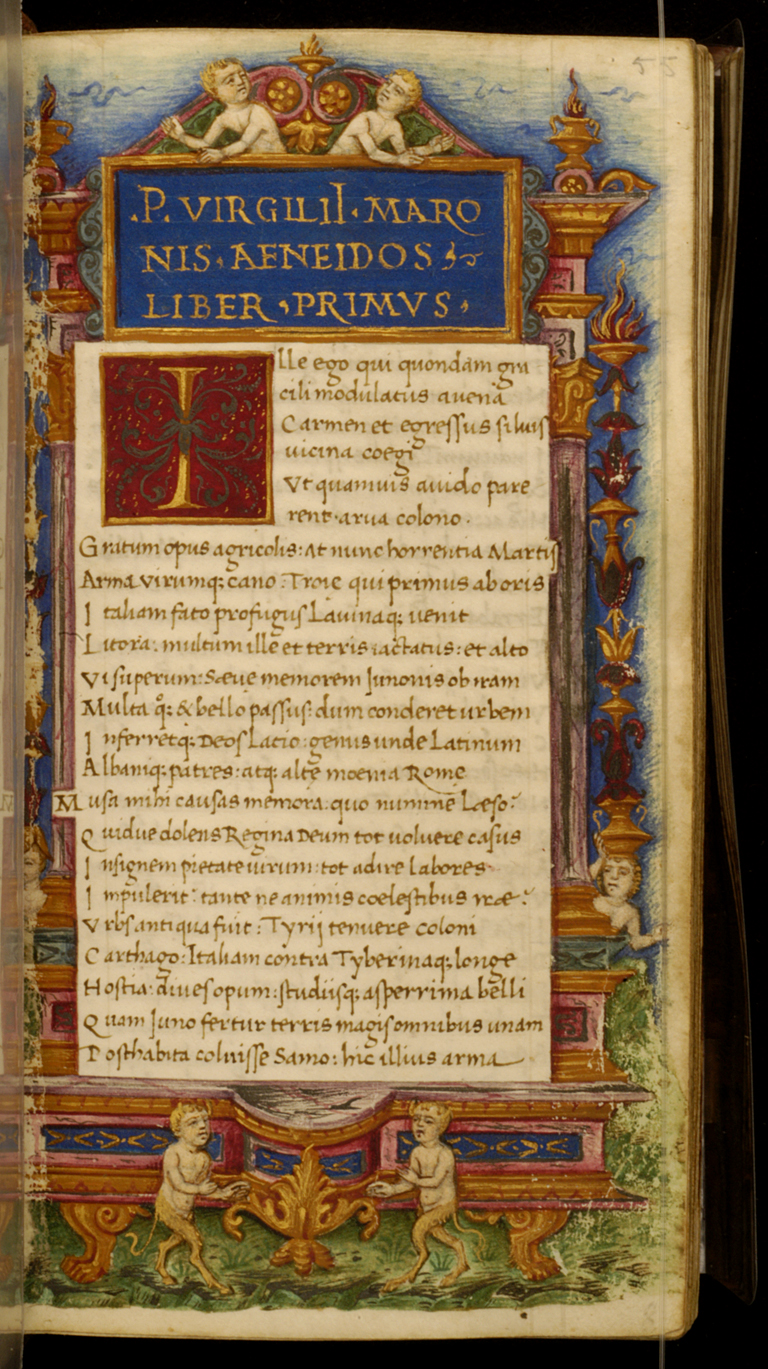
The Aeneid by Publius Vergilius Maro
The Aeneid by Publius Vergilius Maro
Summary of The Aeneid
The Aeneid: https://en.wikipedia.org/wiki/Aeneid
Vergil's epic poem, The Aeneid, tells the story of Aeneas, a Trojan prince, and his journey to establish a new city in Italy after the fall of Troy. The poem is divided into twelve books, and the narrative can be broken down into two main parts: the wanderings of Aeneas and his eventual war in Italy.
Part 1: The Wanderings (Books 1-6)
The poem begins in medias res (in the middle of things), with Aeneas and his fleet sailing towards Italy. They are caught in a violent storm, unleashed by the goddess Juno, who hates the Trojans because of a past slight and a prophecy that their descendants will destroy Carthage, her favorite city. The Trojans are shipwrecked on the coast of Carthage, where they are welcomed by Queen Dido.
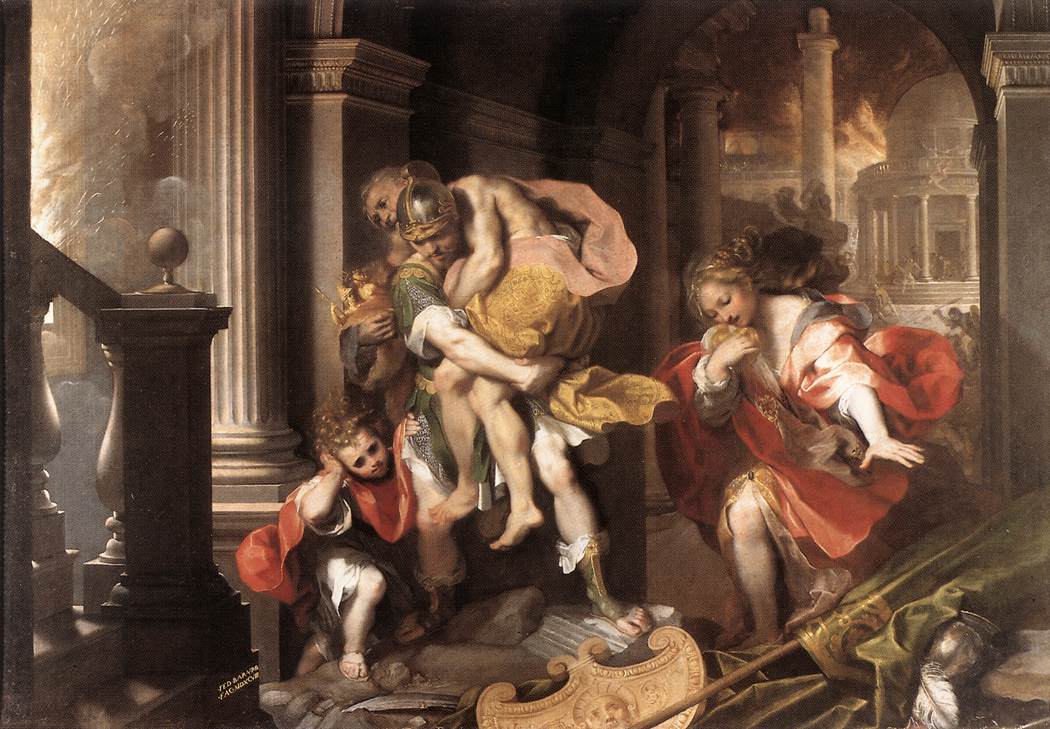
Aeneas, disguised by his mother Venus, enters the city and is eventually recognized by Dido. At a banquet, Dido asks Aeneas to tell the story of his people's journey. Aeneas recounts the fall of Troy, a vivid and tragic tale of the Trojan Horse and the city's destruction. He describes his escape with his elderly father Anchises, his young son Ascanius, and the household gods. He also tragically tells of the loss of his wife, Creusa, in the chaos.
Aeneas continues his story, recounting his seven years of wandering. He tells of his visit to the land of the Cyclopes, a visit to the Underworld where he speaks with his father Anchises' shade, and numerous other adventures. Dido is captivated by Aeneas's story and falls deeply in love with him, aided by Venus and Cupid.
However, Aeneas is reminded of his destiny by the gods, particularly by Jupiter, who sends Mercury to tell Aeneas he must leave Carthage and continue his journey to Italy. Aeneas, torn between his love for Dido and his duty, secretly prepares to depart. When Dido discovers his plans, she is heartbroken and furious. She confronts him, but he remains steadfast in his divine mission. As Aeneas sails away, Dido climbs a funeral pyre she has had built, curses Aeneas and his descendants (foreshadowing the Punic Wars between Rome and Carthage), and kills herself with Aeneas's sword.
Aeneas and his men continue their journey, eventually landing in Cumae, Italy. There, Aeneas consults with the Sibyl, a prophetess, who guides him to the Underworld. In the Underworld, Aeneas meets the shade of Dido, who turns away from him in silence. He also sees his father Anchises, who shows him a vision of the future glory of Rome—the city Aeneas is destined to found. Anchises shows him the great Roman heroes and emperors who will descend from him, a key moment that links the Trojan hero to the destiny of Rome.
Part 2: The War in Italy (Books 7-12)
Aeneas and his men finally arrive in Latium, where they are welcomed by King Latinus, the ruler of the Latin people. Latinus offers Aeneas the hand of his daughter, Lavinia, in marriage. However, this infuriates Latinus's wife, Amata, and a local suitor for Lavinia, Turnus, the king of the Rutulians.
Juno, seeing another chance to thwart the Trojans, sends a Fury to inflame the passions of Amata and Turnus. This leads to a conflict between the Trojans and the Latins. The Latins, led by Turnus, declare war on the Trojans.
Aeneas, in need of allies, travels up the Tiber River to the site of what will become Rome. He forms an alliance with the Arcadian king Evander and his son Pallas. Evander gives Aeneas a contingent of troops, including Pallas, to aid him in the war. Aeneas also receives new armor and a shield from his mother Venus, forged by the god Vulcan. The shield is a masterpiece, depicting the future history and triumphs of Rome.
The war begins in earnest. While Aeneas is away, Turnus and his forces attack the Trojan camp. Aeneas returns with his new allies, and a fierce battle ensues. Aeneas and Turnus prove to be the two main adversaries. In one of the most tragic moments of the poem, Pallas, the young Arcadian prince, is killed in battle by Turnus, who takes his belt as a trophy.
Aeneas is filled with rage and grief over the death of Pallas. He slaughters countless enemies, seeking revenge for his young friend. A series of single combats and battles culminates in a final, decisive confrontation between Aeneas and Turnus.
In the final book, Aeneas and Turnus agree to a duel to end the war. The gods intervene, with Jupiter finally ordering Juno to cease her interference. The duel begins, and Aeneas, after a brief struggle, gains the upper hand. He wounds Turnus, who begs for mercy, appealing to Aeneas's sense of pity and his father Anchises. Aeneas hesitates, but then he sees the belt of Pallas on Turnus's shoulder. This sight re-ignites his fury and his duty to avenge his friend. Without another word, Aeneas plunges his sword into Turnus's chest, killing him and ending the war.
With Turnus dead, the way is clear for Aeneas to marry Lavinia and found a new people, the Romans, from the union of the Trojans and the Latins. The poem ends here, with the war concluded and the stage set for the glorious future of Rome.
Favorite Characters
Aeneas
The protagonist of the poem. Aeneas is a Trojan prince, son of the goddess Venus and the mortal Anchises. His defining characteristic is pietas—a deep sense of duty to his gods, his family, and his people. He is a reluctant hero, often torn between his personal desires (such as his love for Dido) and his divine mission to found a new city in Italy. He is a skilled warrior, but his journey is marked by profound suffering and loss.
Anchises
Aeneas's aged and wise father. Anchises is a symbol of the Trojan past and a source of wisdom for Aeneas. He dies during the journey, but his spirit appears to Aeneas in the Underworld, where he reveals the future glory of Rome and the great heroes who will descend from Aeneas.
Ascanius (also called Iulus)
Aeneas's young son. Ascanius represents the future of the Trojan race and the destiny that Aeneas is fighting to secure. His alternate name, Iulus, is a direct link to the gens Iulia, the family of Julius Caesar and Augustus, giving the poem a strong political and propagandistic subtext.
Creusa
Aeneas's first wife and mother of Ascanius. She is tragically lost during the flight from Troy. Her ghost appears to Aeneas, telling him not to grieve and that he is destined to find a new wife and a new kingdom.
Achates
Aeneas's faithful and loyal companion. He is a constant presence by Aeneas's side, representing steadfast friendship and support.
Juno (Hera)
Queen of the gods and the main divine antagonist of Aeneas. Juno harbors a deep hatred for the Trojans, stemming from the Judgment of Paris and a prophecy that a Trojan race will one day destroy her beloved city of Carthage. She relentlessly tries to thwart Aeneas's destiny, using storms, deceit, and inciting mortals to war.
Venus (Aphrodite)
Goddess of love and Aeneas's mother. She is Aeneas's divine patron and protector, frequently intervening to help her son on his journey. She provides him with a new shield and armor and helps to ensure his survival.
Jupiter (Zeus)
King of the gods and the ultimate arbiter of fate. While Juno and Venus are in conflict, Jupiter maintains the cosmic order and ensures that Aeneas's destiny is fulfilled. He is the voice of reason and the enforcer of the divine will.
Neptune (Poseidon)
God of the sea. He is generally an ally of Aeneas and calms the storm that Juno unleashes on the Trojan fleet at the beginning of the poem.
Mercury (Hermes)
The messenger god. He is sent by Jupiter to remind Aeneas of his divine mission when he is lingering in Carthage with Dido.
Dido
The queen of Carthage. She is a powerful and resourceful leader who fled her homeland after her husband, Sychaeus, was murdered by her brother. She is an unfortunate pawn in the gods' game, falling deeply in love with Aeneas due to Venus's intervention. Her tragic suicide after Aeneas's departure is one of the most memorable and emotional moments in the poem.
Anna
Dido's sister. She encourages Dido to pursue a relationship with Aeneas, believing it will benefit both her personally and her city politically. She is a loyal confidante to Dido until the very end.
Turnus
The main mortal antagonist of Aeneas. He is the king of the Rutulians and a powerful warrior who is the primary suitor for Lavinia's hand. He is a passionate, honor-driven character who is willing to defy fate to prevent Aeneas from marrying Lavinia and founding a new kingdom.
Latinus
The king of the Latins. He is a wise and hospitable ruler who recognizes the prophecy that a foreigner will marry his daughter Lavinia and found a new people. He attempts to welcome Aeneas and avoid war, but is unable to control the anger and hostility of his wife and Turnus.
Lavinia
The daughter of King Latinus and Queen Amata. She is a silent but central figure in the second half of the poem, as she is the prize for which Aeneas and Turnus are fighting. She represents the future of the Italian people.
Amata
Queen of the Latins and wife of Latinus. She is fiercely opposed to Aeneas and is devoted to the idea of her daughter marrying Turnus. She is driven to a state of frenzy by a Fury sent by Juno and ultimately kills herself when she realizes Aeneas is victorious.
Evander
The king of the Arcadians and an ally of Aeneas. He is an old Greek king who lives on the site of the future city of Rome. He gives Aeneas a contingent of troops and, most importantly, entrusts him with the care of his beloved son, Pallas.
Pallas
The son of Evander. He is a brave and charismatic young warrior who is placed under Aeneas's tutelage. His death at the hands of Turnus becomes a major turning point, fueling Aeneas's rage and leading directly to his merciless killing of Turnus in the final scene.
Enduring lessons
The Primacy of Pietas and Duty over Personal Desire
Aeneas's defining characteristic is pietas, often translated as "duty" or "devotion." This isn't just a blind obedience but a complex and powerful sense of responsibility to his family, his gods, and his destiny. The most powerful example of this is his departure from Carthage. Despite his deep love for Dido and the immense personal suffering it causes him, Aeneas chooses to obey the gods and fulfill his mission. The poem teaches that true greatness and the foundation of civilization require individuals to subordinate their own happiness to a higher, communal purpose.
The Inevitability of Suffering for a Greater Cause
Aeneas's journey is one of relentless hardship and loss. He loses his home, his wife, his father, and beloved friends like Pallas. His suffering is not a random misfortune, but an essential part of the process of creation. Vergil suggests that great achievements—like the founding of Rome—are born from sacrifice and pain. The poem teaches that progress and the building of a new world often come at a great cost, and that a heroic life is not one of ease, but of enduring struggle.
The Conflict Between Fate and Free Will
The gods and the Fates are a constant presence in The Aeneid, guiding and manipulating events. However, mortal characters like Aeneas, Dido, and Turnus still make choices that shape their destinies. Aeneas can choose to stay with Dido or leave; Turnus can choose to fight Aeneas or surrender. The poem explores the tension between a preordained destiny and the choices individuals make in the face of it. It suggests that while fate may set the course, human actions and morality determine the outcome and the character of that destiny.
The Dangers of Unchecked Passion and Fury
Dido and Turnus serve as cautionary tales against the destructive power of unrestrained emotion. Dido's passion for Aeneas, fueled by a goddess, leads to her abandonment and suicide. Turnus's fury and desire for honor and revenge drive him to war and ultimately to his death. Both characters are compelling and tragic, but their downfalls highlight the Roman ideal of moderation and self-control. Vergil shows that while emotion can be a powerful force, it must be governed by reason and duty to avoid catastrophe.
The Foundational Myth of Empire and National Identity
The Aeneid is a national epic, designed to provide a glorious origin story for the Roman people. By linking the Romans to the noble, ancient Trojans, Vergil gives Rome a sense of destiny and a deep historical lineage. The poem's celebration of Roman values—pietas, order, law, and conquest for the sake of civilization—serves as a powerful justification for the Roman Empire. The story teaches a profound lesson about the power of myth to shape national identity, instill pride, and provide a moral framework for an entire people. It shows how a historical narrative can be crafted to give meaning and purpose to a nation's existence.
The Cycle of Violence and the Pity of War
While The Aeneid celebrates the founding of Rome, it never shies away from the brutal reality of war. The second half of the poem is a violent and often tragic account of the conflict in Italy. The death of young Pallas is a particularly poignant moment, highlighting the human cost of war. The poem’s final scene, where Aeneas is about to spare Turnus but kills him instead, leaves a complex and ambiguous ending. It reminds us that even heroes can be consumed by rage and that the cycle of violence and revenge is difficult to break, even when destiny is at stake. Vergil masterfully evokes a sense of both triumph and tragedy, leaving a lingering sense of the sadness and pity of war.
"It is Pallas, Pallas, who with this stroke makes sacrifice of you." (Book 12, lines 948-949)
About the Project
Project 'Read a Book'

Project 'Read a Book'
Reading a full book is beneficial because it fosters deep focus, critical thinking, and emotional stability, unlike the fragmented information often consumed in short bursts online.
Immersing oneself in a book enhances cognitive functions such as comprehension, memory, and empathy by encouraging readers to engage with complex narratives, diverse perspectives, and sustained storylines.
It also provides a sense of accomplishment and mental clarity, allowing individuals to disconnect from daily stress and build a more reflective, informed worldview.
See you in the next one!
If you wish to support our project
Donation link (Buy me a coffee):